Essential Design Tips for Beautiful and Inviting Homes

Creating a beautiful and inviting home is not just about aesthetics; it’s about crafting a space that reflects your personality and makes you feel comfortable. Whether you are moving into a new place or looking to refresh your current home, understanding some essential design tips can help you achieve the inviting atmosphere you desire. In this post, we will explore practical strategies to enhance your home’s design, making it both functional and visually appealing.
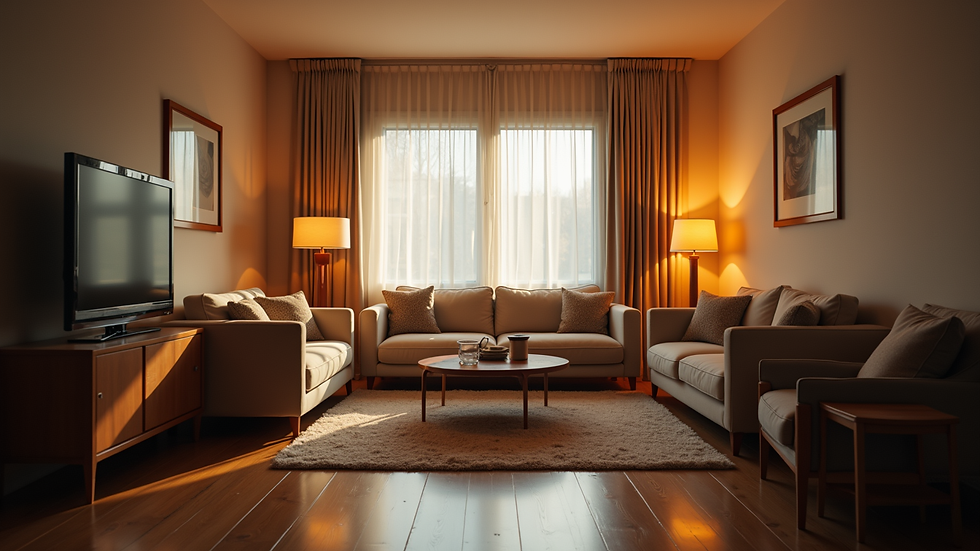
Understand Your Space
Before diving into design choices, take a moment to assess your space. Each room has its unique characteristics, and understanding these can guide your decisions.
Measure Your Rooms
Start by measuring the dimensions of your rooms. Knowing the size will help you choose furniture that fits well without overcrowding the space. Consider the following:
Room dimensions: Length and width of each room.
Ceiling height: This can affect your choice of lighting and decor.
Natural light: Identify how much natural light each room receives throughout the day.
Identify Your Needs
Think about how you use each space. Do you need a cozy reading nook, a functional workspace, or a vibrant area for entertaining? Identifying your needs will help you prioritize your design choices.
Choose a Color Palette
Color plays a crucial role in setting the mood of your home. A well-thought-out color palette can create harmony and enhance the overall aesthetic.
Select Base Colors
Start with a neutral base for your walls and larger furniture pieces. Neutral colors like beige, gray, or soft white provide a versatile backdrop that allows you to play with accent colors.
Add Accent Colors
Incorporate accent colors through accessories, artwork, and textiles. Consider the following:
Cushions and throws: These can easily be swapped out for seasonal changes.
Artwork: Choose pieces that resonate with you and complement your color scheme.
Rugs: A colorful rug can anchor a room and add warmth.
Focus on Lighting
Lighting can transform a space, making it feel more inviting and spacious. Consider a mix of ambient, task, and accent lighting.
Ambient Lighting
This is the general lighting that fills a room. Use ceiling fixtures, wall sconces, or floor lamps to provide overall illumination.
Task Lighting
Task lighting is essential for specific activities like reading or cooking. Desk lamps, under-cabinet lights, and pendant lights over workspaces are great options.
Accent Lighting
Highlight architectural features or artwork with accent lighting. Use spotlights or LED strips to draw attention to specific areas.
Furniture Arrangement
The way you arrange your furniture can significantly impact the flow and functionality of your space.
Create Conversation Areas
In living rooms, arrange seating to encourage conversation. Position sofas and chairs in a way that faces each other, creating an inviting atmosphere.
Consider Traffic Flow
Ensure there is enough space for people to move around comfortably. Leave pathways clear and avoid blocking entrances or exits.
Balance and Scale
Choose furniture that fits the scale of your room. Large furniture can overwhelm a small space, while small pieces can get lost in a large room. Aim for a balanced look by mixing different sizes and shapes.
Incorporate Textures
Adding various textures can create depth and interest in your home. Consider the following materials:
Soft textiles: Use plush cushions, throws, and rugs to add warmth.
Natural elements: Incorporate wood, stone, or plants for an organic feel.
Metal accents: Use metal fixtures or decor to add a modern touch.
Personalize Your Space
Your home should reflect your personality and interests. Personal touches can make a space feel uniquely yours.
Display Personal Items
Showcase items that tell your story, such as:
Travel souvenirs: Display items from your travels to spark conversation.
Family photos: Create a gallery wall with framed pictures of loved ones.
Hobbies: Incorporate elements related to your hobbies, like books, art, or crafts.
Use Meaningful Decor
Choose decor that resonates with you. This could be artwork, sculptures, or even handmade items that hold sentimental value.
Create Functional Spaces
Designing functional spaces is essential for a comfortable home. Consider how each area serves your daily activities.
Multi-Functional Rooms
In smaller homes, create multi-functional spaces. For example, a guest room can double as a home office. Use furniture that can serve multiple purposes, like a sofa bed or a desk that folds away.
Organized Storage Solutions
Clutter can detract from the beauty of your home. Invest in smart storage solutions to keep your space organized. Consider:
Built-in shelves: These can maximize vertical space and display decor.
Storage ottomans: These provide seating while hiding away items.
Baskets and bins: Use these for easy organization in living areas or closets.
Embrace Nature
Bringing the outdoors inside can enhance the inviting feel of your home. Consider incorporating plants and natural elements.
Indoor Plants
Plants not only purify the air but also add life to your space. Choose low-maintenance plants like succulents or snake plants if you’re new to gardening.
Natural Light
Maximize natural light by using sheer curtains or blinds that can be easily opened. This creates a bright and airy atmosphere.
Pay Attention to Details
Small details can make a big difference in your home’s design. Consider these finishing touches:
Hardware and Fixtures
Updating hardware on cabinets, doors, and drawers can refresh the look of your space. Choose finishes that complement your overall design.
Layered Textiles
Layering textiles can add warmth and comfort. Mix different fabrics, such as cotton, linen, and wool, to create a cozy environment.
Scent and Sound
Don’t forget about the sensory aspects of your home. Use scented candles or essential oil diffusers to create a pleasant aroma. Soft background music can also enhance the atmosphere.
Final Thoughts
Designing a beautiful and inviting home is an ongoing process that reflects your personal style and needs. By understanding your space, choosing a cohesive color palette, focusing on lighting, and incorporating personal touches, you can create a home that feels welcoming and comfortable. Remember, the key is to make choices that resonate with you and enhance your daily life.
As you embark on your design journey, take your time to experiment and enjoy the process. Your home is a canvas waiting for your unique touch. Start small, and gradually build a space that you love coming home to. Happy decorating!
Comments